
Health First
Prioritizing your health involves maintaining a nutritious diet, staying active with regular exercise, and ensuring sufficient sleep. Incorporate stress management techniques such as mindfulness and relaxation. Routine check-ups and preventive care are essential for overall well-being and enhancing life quality
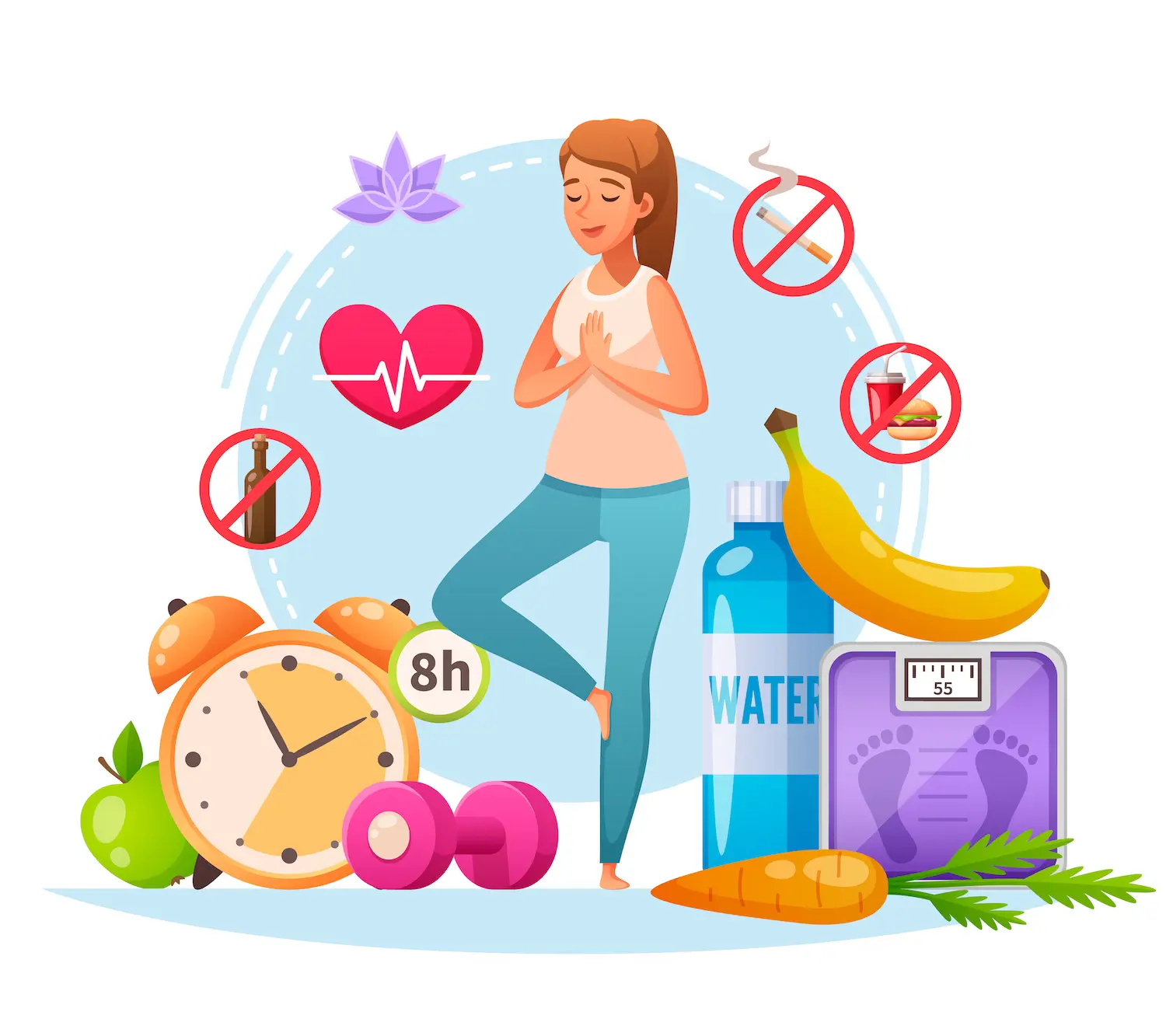
physical health
Physical health refers to the overall condition of a person's body and its ability to perform various physical activities effectively and efficiently.
Physical Health
Physical health refers to the overall condition of a person's body and its ability to perform various physical activities effectively and efficiently.


Mental health
Mental health encompasses emotional, psychological, and social well-being. It shapes our thoughts, feelings, and behaviors and guides our responses to stress, relationships, and decisions.
READ MOREEmotionalWellbeing
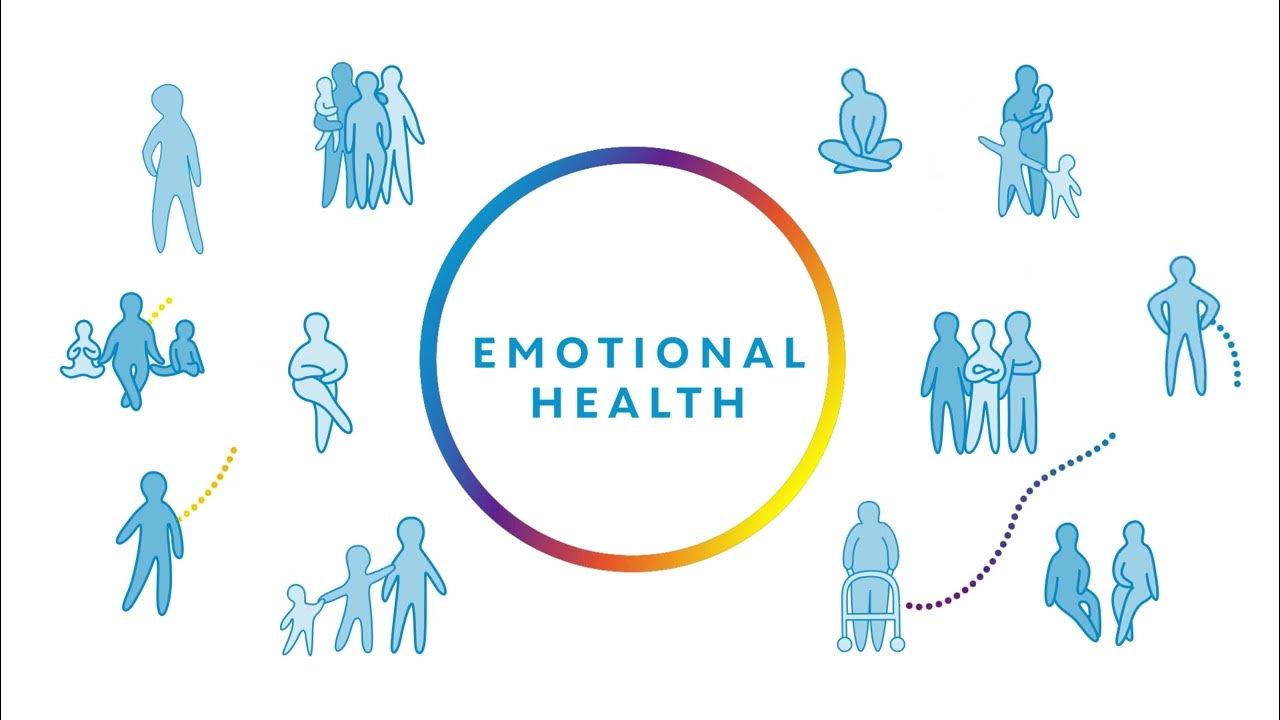
Emotional well-being is the ability to produce positive emotions, moods, thoughts, and feelings and adapt to adversity and stressful situations.
READ MORESocial Connections
Social connection is that feeling of closeness and belonging that comes from having strong interpersonal relationships. It's that sense of being loved, supported, and valued by others.
READ MOREWork Life Balance
Work-life balance refers to the ideal state where you can effectively manage the demands of your professional and personal life.
READ MOREHolistic Approaches
"A holistic approach" refers to a way of thinking and problem-solving that takes into account the entire system, rather than just its individual components."
READ MOREPreventive Care
Diet plays a crucial role in improving mood and brain health. Foods that promote mental well-being include fruits, vegetables, oily fish, whole-grain bread, low-fat dairy, nuts, yogurt, and seeds.
READ MOREEnvinormental Health
Environmental health focuses on how various factors in our surroundings, such as physical, chemical, biological, social, and psychological elements, impact human health and quality of life.
READ MORE